

Excerpt from “A Life of Military Horses Under the White Robe, Medical View of Life History”
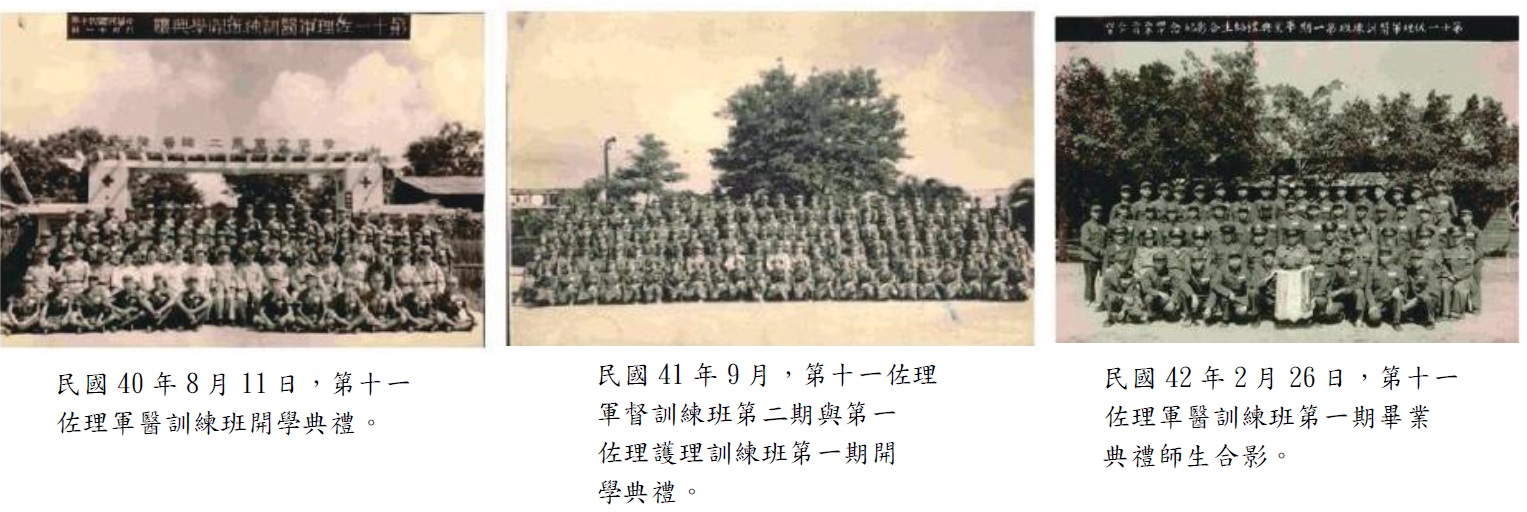
In June of the 38th year of the Republic of China, the hospital moved to Taiwan; initially ordered to find a site in Taichung to establish the hospital, but due to lack of suitable building facilities, permission was later granted to relocate to Kaohsiung, taking over the site of the former Fifth General Hospital Kaohsiung branch, and officially began seeing patients on August 1, being renamed the “Third General Hospital of the Army, Navy and Air Force of the Ministry of National Defense”.
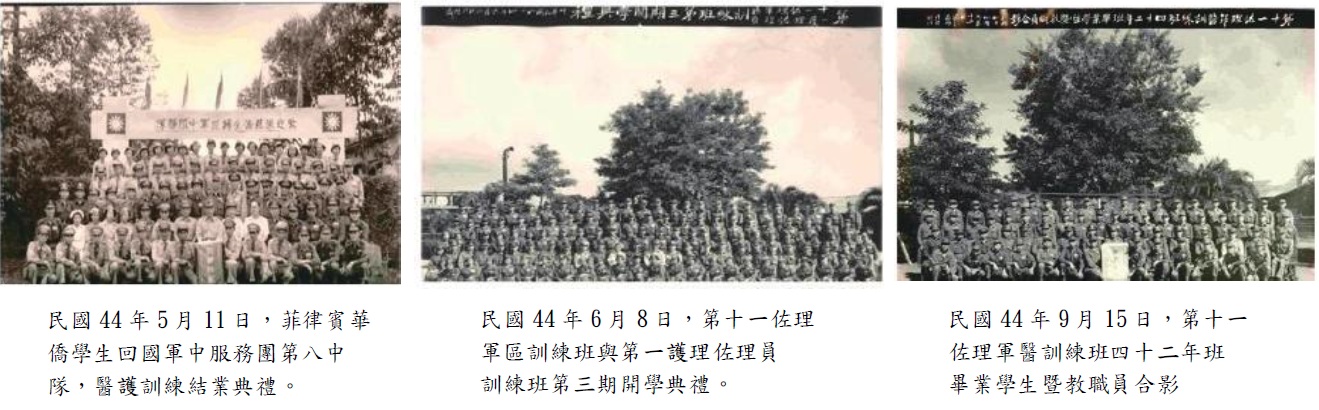
In April of the 41st year of the Republic, the hospital was transferred under the Joint Logistics Command, renamed the “Second Joint Logistics General Hospital”, pioneering the establishment of a Chinese military hospital, setting up a civilian outpatient department to provide general medical services for the public, offering convenient healthcare to nearby residents.
In September of the 44th year of the Republic, the hospital was again transferred under the Army Headquarters, named the “Second Army General Hospital”; in May of the 49th year, it was designated the “Army 802 General Hospital”, with militarized management and medical training operating in tandem, becoming a key pillar of the military medical system.
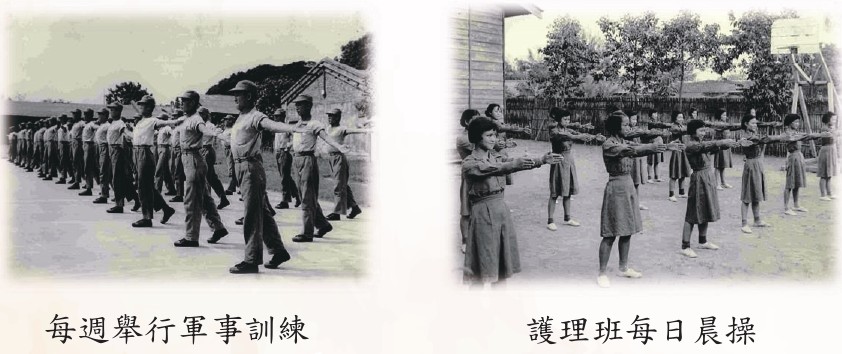
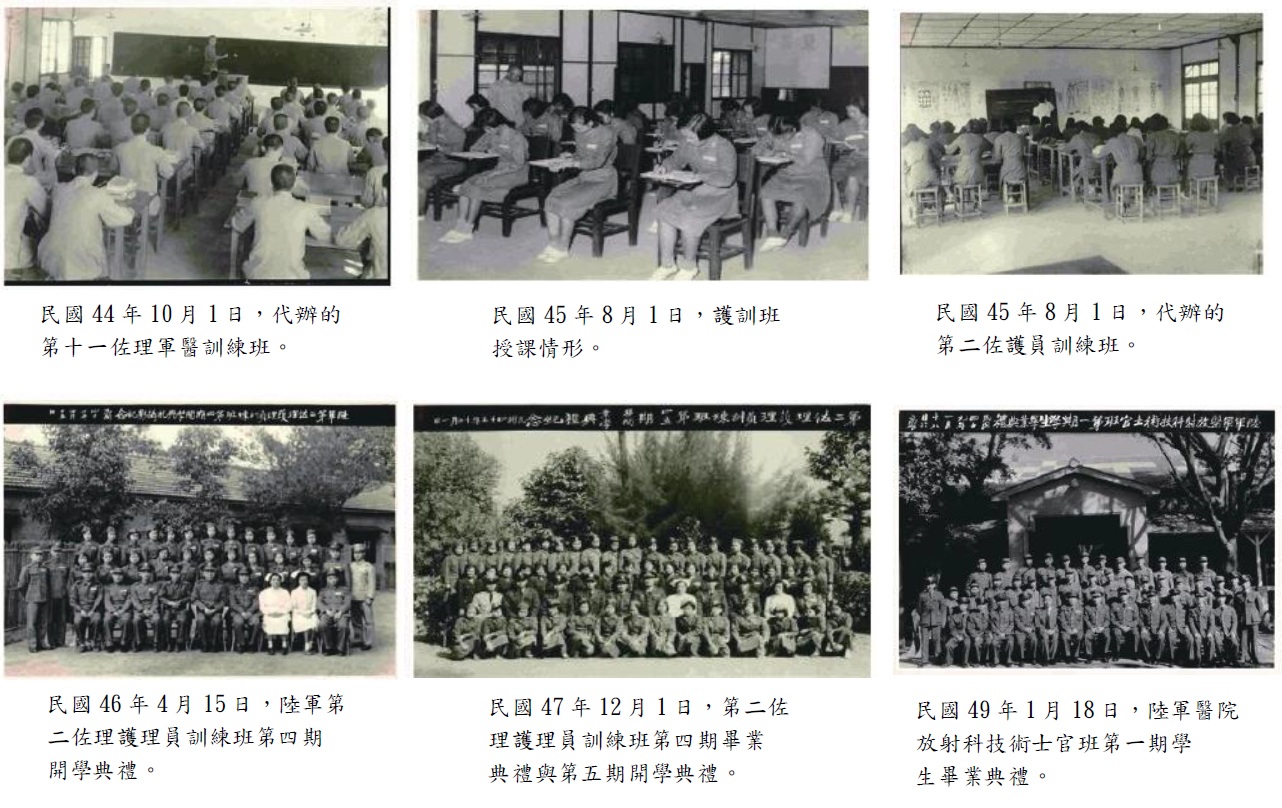
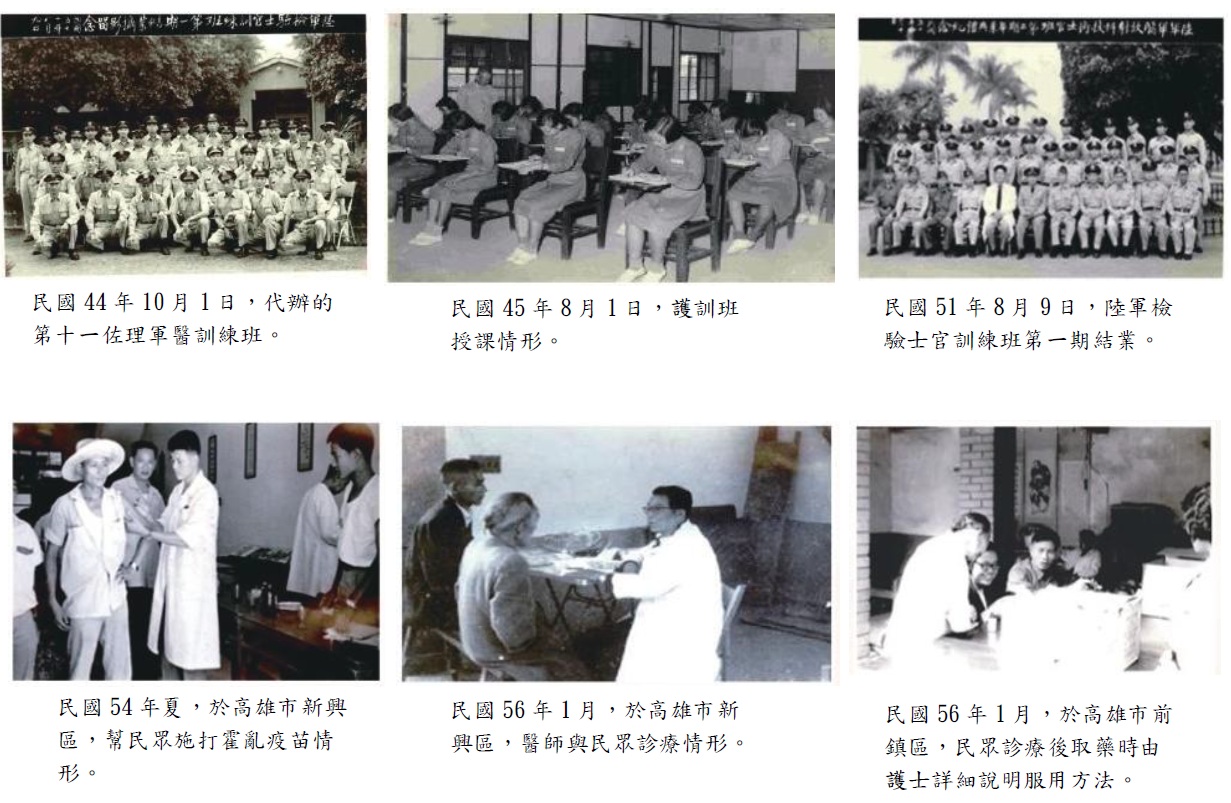
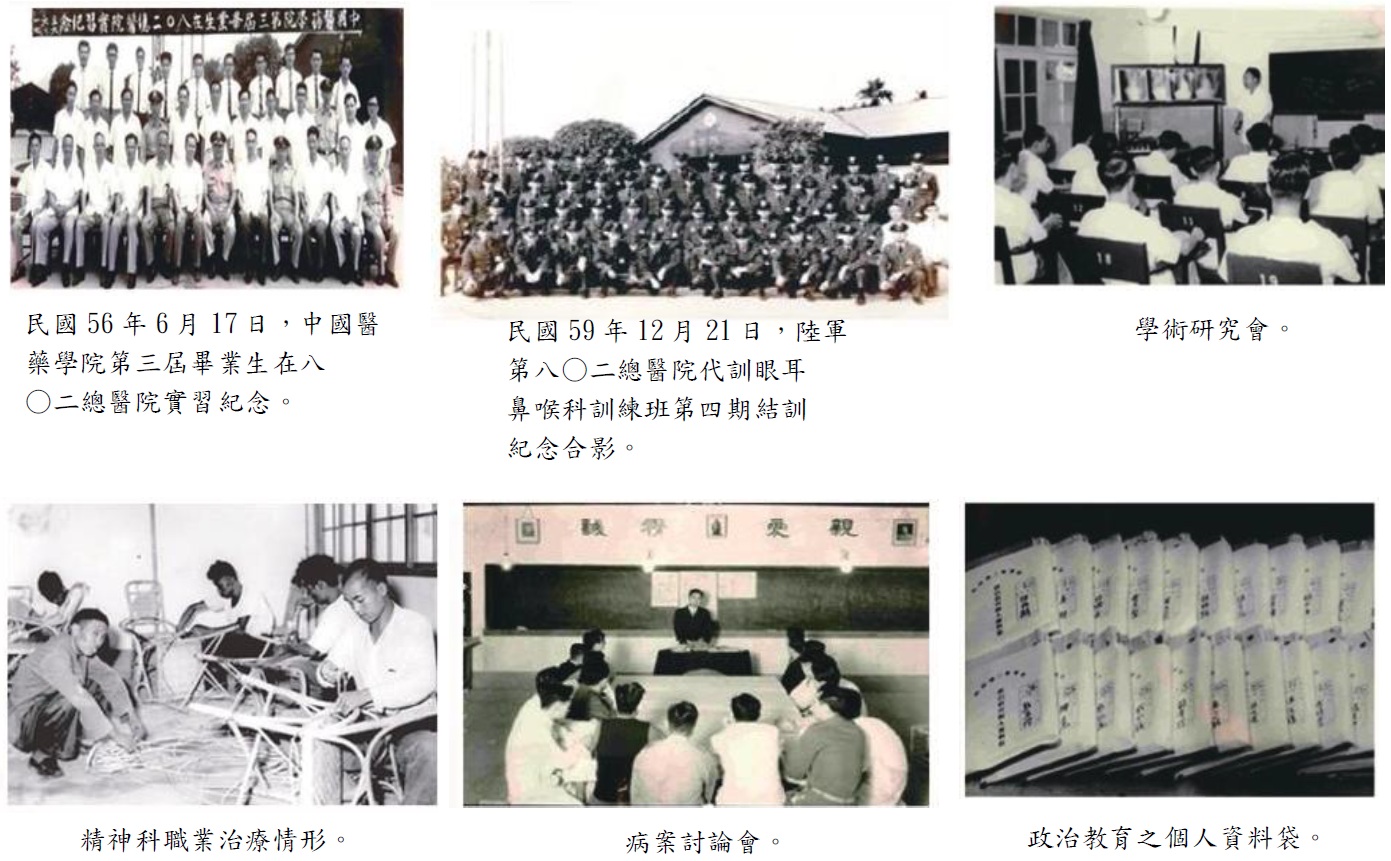
With advances in medical technology and the implementation of the National Health Insurance policy, the hospital continuously innovates, aiming to strengthen its management and medical quality. As the central hospital of the Joint Medical Responsibility System for the Fourth War Zone, the hospital invests in the development of diversified medical services and enhances the medical capabilities of the war zone's health and welfare. To meet the needs of medium and severe critical care, the hospital has expanded its existing resources and equipment, improving both software and hardware facilities. These efforts have made the Kaohsiung Armed Forces General Hospital an important medical hub in southern Taiwan, relied upon by the nation, serving society, and trusted by soldiers and civilians alike.
Surgical Department:
Guardians of the Distant Outposts: 24/7 Medical Services for Dongsha and Nansha.
Geographic and Strategic Importance of Taiwan's Southern Defense Line
Dongsha Island is located at the northern end of the South China Sea, between Hong Kong, Taiwan, and Luzon Island, serving as the southern gateway of the Taiwan Strait, 440 km from Taiwan. Taiping Island in the Spratly Islands is the largest natural island in the group, situated at the southernmost point of Taiwan's territory, about 1,600 km from Taiwan, surrounded by multiple countries; its geographic location and economic value are extremely important, acting as the southern defense outpost of our nation; administratively, it falls under the Kaohsiung City Government, with Coast Guard personnel permanently stationed on the island, while defense duties are handled by the Southern Region Patrol Bureau of the Coast Guard Administration under the Executive Yuan.
A Solid Backing for Medical Services
Since the 91st year of the Republic (2002), the hospital has participated in the Ministry of Health and Welfare's Central Health Insurance Administration's “National Health Insurance Mountainous and Island Area Medical Benefit Enhancement Project” (referred to as the IDS project), dispatching surgical specialists to provide support.
In the 101st year (2012), under the leadership of the Ministry of National Defense's Military Medical Corps, the hospital established a telemedicine video system, linking to the hospital to provide emergency, multi‑specialty medical consultations, allowing personnel on the two islands to receive the same level of care as on the main island. Since June 2014 (year 103), the hospital has also dispatched anesthetic nurses to the islands to ensure smooth emergency surgical procedures.
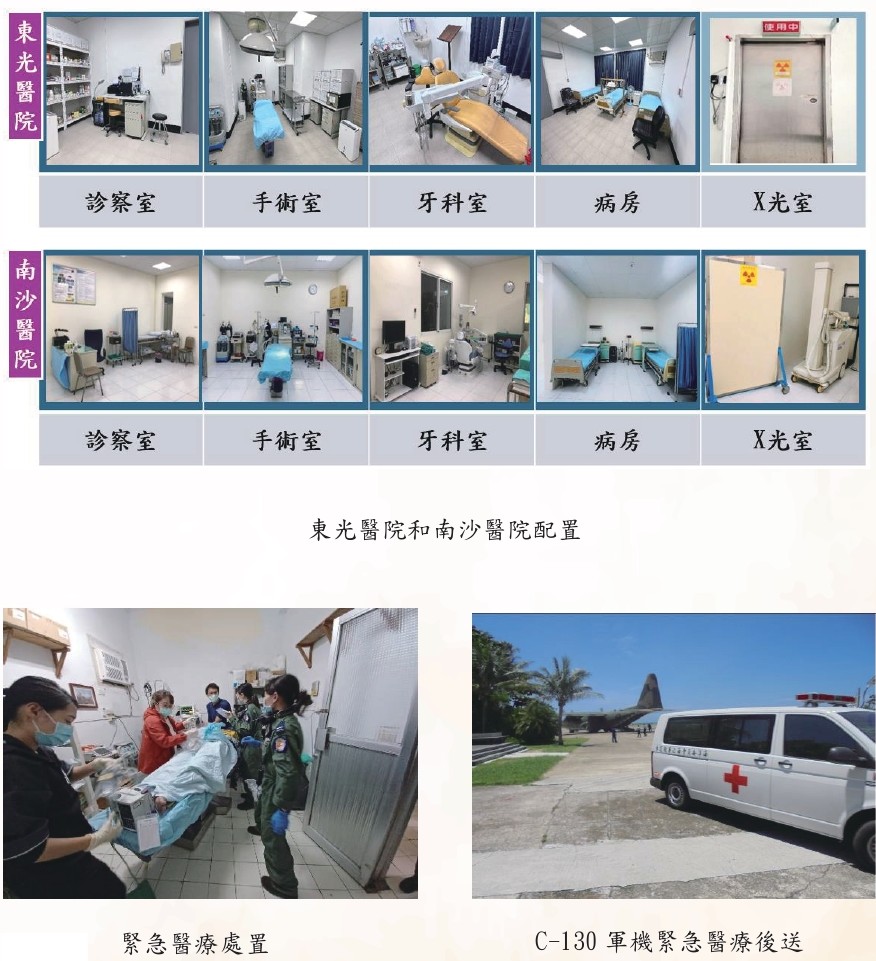
Because Dongsha Island and Taiping Island are far from Taiwan, the islands are equipped with X‑ray machines, ultrasound devices, and anesthesia machines; the stationed physicians and anesthetic nurses can provide 24‑hour medical services to the personnel, relieving them from illness.
Overcoming Challenges: The Difficult Island‑Based Medical Mission
In the past decade, occasional emergency medical situations have required direct surgeries in the island operating rooms. In July of the 102nd year (2013), then Director of the Medical Department Dr. Xiang Zhengchuan and orthopedic Dr. Chen Qiwen performed the first telemedicine orthopedic case with island physician Dr. Wu Yue‑rong via video link. In February 2014 (year 103), island surgical officer Dr. Wu Yue‑rong led dental officers Dr. Cai Zhongshu and Nurse Huang Su‑zhen to perform a spinal anesthesia and appendectomy, consulting remotely with then Chief of the General Hospital Surgical Department (also Medical Department) Dr. Xu Jingwen and anesthesiologist Dr. Chen Jiejie, successfully completing the operation. In August 2019 (year 108), Dr. Ni Ying‑rui performed an appendectomy for an acute appendicitis patient. In August 2021 (year 110), Dr. Zhuo Longxiang performed emergency debridement and suturing for an open fracture of the left little finger and a tear injury of the left ring finger. In 2022 (year 111), Dr. Li Weiyi assisted island staff in diagnosing acute coronary syndrome with cardiogenic shock and acute pulmonary edema, urgently evacuating them back to the main island for treatment.
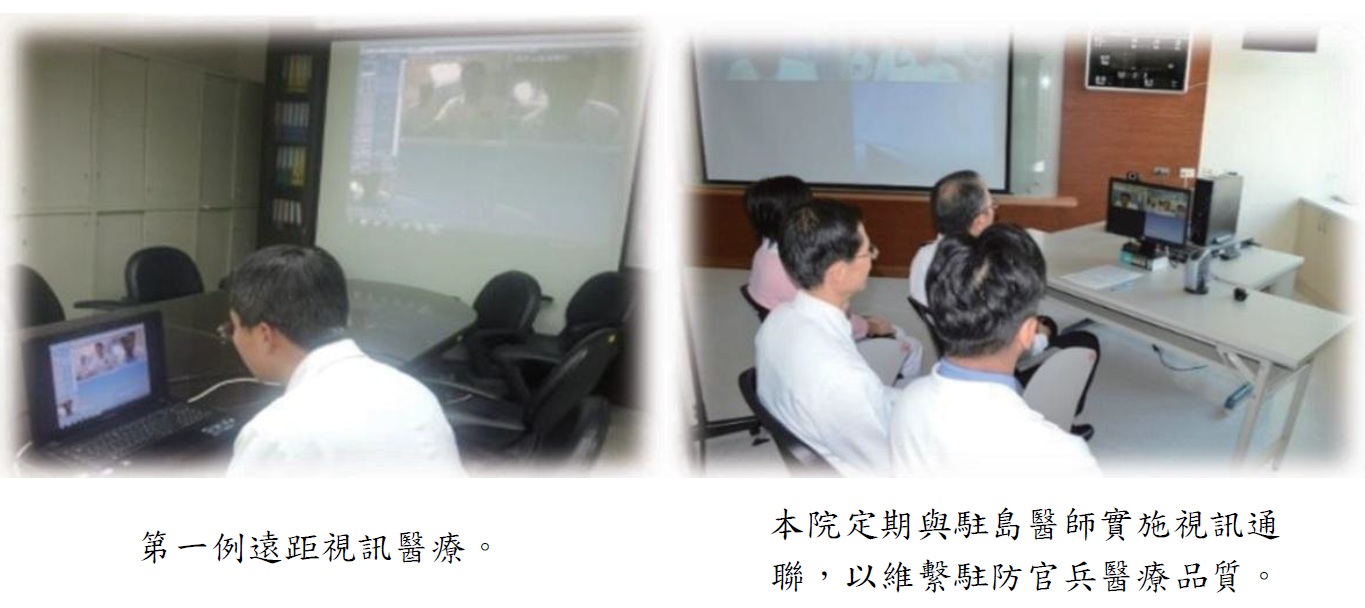
The hospital has overcome numerous island challenges, successfully performing emergency surgeries on the islands multiple times. Collaboration with mainland specialists via the telemedicine system saves considerable evacuation costs and reduces medical risks during transfer.
International Rescue and Humanitarian Mission
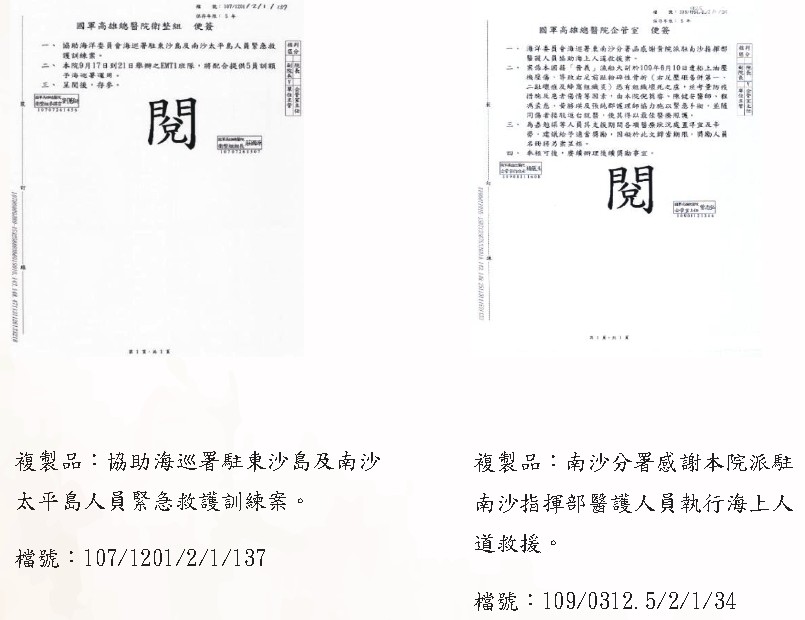
Since the 89th year of the Republic (2000), the hospital has collaborated with the Coast Guard's Dongsha and Nansha command units to carry out international rescue operations. On February 8, 2020 (year 109), a 37‑year‑old merchant ship crew member suffered crushing injuries to his right middle and ring fingers by a generator; after wound debridement at Dongguang Hospital, he returned to Taiwan aboard the ship for treatment. On May 28, 2021 (year 110), a merchant ship crew member was injured during hoisting operations, diagnosed with a fracture of the right palm; after bandaging and fixation, he returned to Taiwan aboard the ship for care. Recently, on November 28, 2024 (year 113), a Chinese fisherman aboard the Kaohsiung‑registered vessel “Guangli” appeared to suffer a stroke while working offshore; the Coast Guard dispatched a boat to guide him to the Taiping Island dock, where a teleconsultation at the Nansha Hospital was performed, and a Kaohsiung vessel later evacuated him to Kaohsiung for treatment, completing a 900‑nautical‑mile humanitarian rescue at sea.
These humanitarian rescue actions not only demonstrate the hospital’s professional capabilities but also highlight our nation’s contribution to international humanitarian aid.
Improving Medical Quality
Because island transportation is inconvenient and resources are limited, the range of medical specialties available is restricted. Since establishing an island presence in 2002 (year 91), the hospital has aimed to provide 24‑hour (including holidays) physician on‑site services for personnel on Dongsha Island and Taiping Island, improving accessibility for local individuals (including domestic visitors, foreign experts, scholars, and researchers). Using the telemedicine video system, the hospital offers emergency specialist consultations based on patients’ conditions to enhance medical quality. Additionally, preventive health and dental care are provided to ensure soldiers’ health and maintain combat readiness. Moreover, due to the strategic location of the two islands and frequent foreign vessel traffic, the hospital collaborates with the Ocean Affairs Council and the Ministry of Foreign Affairs to actively participate in international humanitarian rescue services and exercises.
Silent Heroes Guarding the Outposts
Medical services for Dongsha and Nansha are not only the cornerstone of Taiwan’s defense but also a vital force in international rescue. The medical team steadfastly holds their posts in harsh conditions, using professionalism and perseverance to protect the outlying islands, becoming silent heroes of this remote sea region.
Hard Power, Keeping Pace with the Times
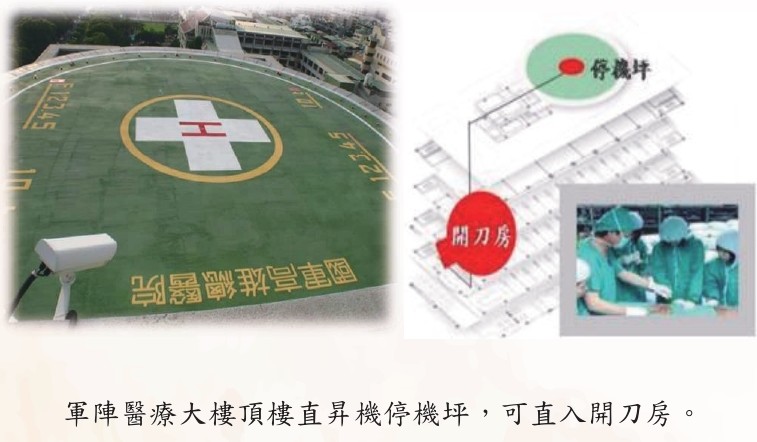
The hospital officially opened the “Military Medical Building” in 2013 (year 102), with a helicopter landing pad on the roof, providing a fast route for disaster medical evacuations from remote and outlying islands; in 2021 (year 110), a new ECMO (extracorporeal membrane oxygenation) system for intensive care was introduced, allowing patients already on ECMO to be evacuated by helicopter, enhancing evacuation safety.
The helicopter pad can accommodate aircraft such as the military medical rescue helicopter (EC‑225) and the Sea Gull helicopter (S‑70C); it is currently the only hospital in southern Taiwan with an aviation permit from the Civil Aviation Administration of the Ministry of Transportation and Communications. This air medical evacuation system shortens transport time, securing urgent medical timing; distance is no longer an obstacle, underscoring the hospital’s solid support for national defense medicine.
Internal Medicine Department:
Another Feverish Emergency – Heat Stroke.
The Rebirth Journey of a Heat‑Stroke Soldier
In the 99th year of the Republic (2010), on the sixth day of his military service, 24‑year‑old Mr. Liu Guan‑wei was supposed to be at the assembly area training with his comrades. However, high temperature and humidity caused him, while performing a bayonet training course, to feel unwell, with his body temperature soaring above 40 °C, leading to an emergency evacuation to the hospital.
The First Gate of the Underworld
Upon arrival at the emergency department, Mr. Liu was already confused, with a Glasgow Coma Scale of only 3. The medical team acted swiftly, performing endotracheal intubation and aggressive cooling therapy. However, his condition was grim; as time passed, his abdomen swelled severely, and examinations revealed necrosis at a colonic flexure with transverse colon perforation, accompanied by extensive infection and hematoma—a highly unusual presentation.
The team initiated ECMO to sustain his physiology, and once vital signs stabilized, performed a Hartmann’s operation, removing the necrotic colon and creating an artificial stoma.
This was only the beginning of a long battle. Post‑operatively, his abdominal cavity remained infected, with the wound rupturing repeatedly. The team had to perform up to six additional surgeries over the following months, including debridement, abscess drainage, and abdominal wall reconstruction. During that year of frequent trips to the operating room, Mr. Liu’s weight dropped from 80 kg to 65 kg.
The Hero Who Was Not Defeated
Surgery was not the only challenge. Mr. Liu’s right foot suffered nerve damage as a complication of heat stroke, resulting in foot drop. He had to rely on rehabilitation and orthotic braces to relearn walking, a significant psychological blow for a young man. Nevertheless, he displayed extraordinary perseverance, enduring physical pain while maintaining a positive mindset.
Rebirth After One Year
After a year of treatment, the hospital prepared a “discharge cake”; cutting the cake symbolized his discharge and the start of a new life. His comrades, family, and medical team all witnessed the moment together. Smiling, he expressed gratitude: “When I felt I could barely hold on, the doctors would come and give me a high‑five and encouragement, making me feel I couldn’t give up easily.”
Physicians consider Mr. Liu’s case extremely rare; heat‑stroke‑induced intestinal necrosis is an uncommon severe condition, and his survival under such dire circumstances reflects not only his own will to live but also the professionalism of the hospital’s medical team.
Soft Power, Protecting You
Taiwan’s tropical climate and global climate change make heat stroke not only a challenging medical issue but also a public health concern, especially in the southern region where hot, humid conditions increase the risk of heat‑related injuries. The hospital bears the mission of safeguarding the health of both military personnel and civilians in the south and must strengthen heat‑stroke prevention.
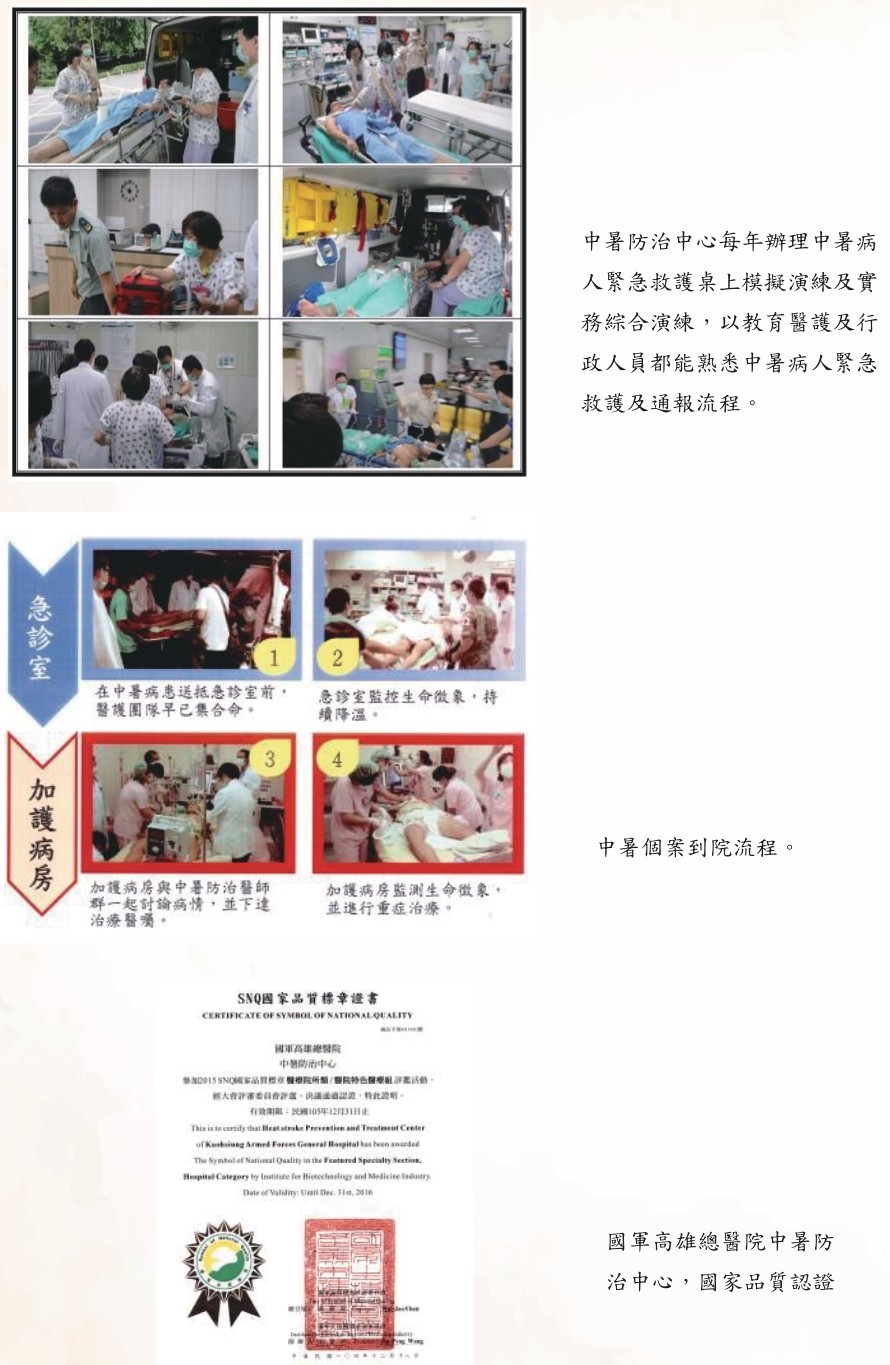
The hospital’s Heat‑Stroke Prevention and Treatment Center was established in 2003 (year 92), becoming the first specialized medical center in southern Taiwan dedicated to heat‑stroke prevention education and training. Led by the Nephrology Department and integrating Cardiology, Neurology, Anesthesiology, Pulmonology, Gastroenterology, Radiology, and other specialties, a heat‑stroke medical team was formed, and standard operating procedures for prevention and treatment were established to reduce incidence and ensure effective care. These efforts have made the hospital a benchmark institution for heat‑stroke treatment in southern Taiwan, achieving outstanding results and earning a national quality seal.