



Excerpt from “A Life of Military Horses Under the White Robe, Medical View of Life History”
Even with only a one percent chance, the dream still comes true.
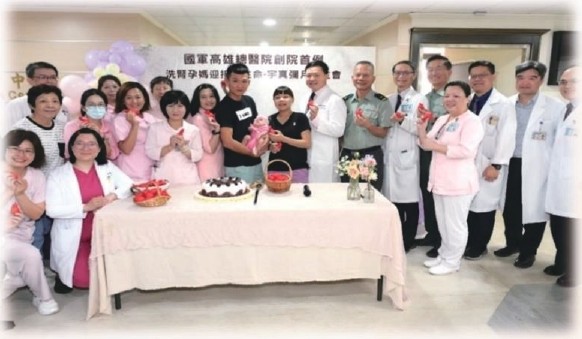
Ms. Chen, a 35-year-old kidney disease patient, receives hemodialysis three times a week at our hospital. At the beginning of the 113th year of the Republic (2024), she noticed that her period had not arrived for five months; her home pregnancy test showed two lines. Dr. Liu Jihau, director of the hemodialysis unit, immediately arranged a detailed obstetric examination, confirming Ms. Chen’s pregnancy. Our hospital promptly formed a multidisciplinary medical team, with nephrology, obstetrics, and metabolism departments collaborating on her care.
Pregnancy is difficult for kidney patients, and a successful delivery involves many challenges. During care, the medical team often faces multiple difficulties. Director Liu of the hemodialysis unit points out that chronic kidney disease patients often have hormonal imbalances and reduced sexual function, leading to irregular periods or early menopause. Studies show that the pregnancy rate for kidney patients is only 2%, and during delivery they may face risks of preterm birth and low birth weight; the chance of a safe vaginal delivery is only about 50%. Therefore, the team increased Ms. Chen’s dialysis frequency from three to six sessions per week and made special adjustments to her dialysis prescription based on her condition.
Head nurse Jian Xiuzhu of the dialysis unit, who has accompanied Ms. Chen throughout, said that in over 20 years of service at our hospital, they have never encountered a pregnant dialysis patient who gave birth successfully. Dialysis patients often experience fluctuating blood pressure during treatment, which can affect the fetus; maintaining stable blood pressure is crucial. Each dialysis session also checks for anemia and continuously monitors blood pressure and physiological changes for timely adjustments. In addition, the team provides appropriate dietary advice so the mother can balance fetal nutrition with her own health.
Under the meticulous care of the medical team, after 36 weeks of effort, a healthy baby girl was delivered in June, with both mother and daughter safe. The success of this “impossible mission” brought great joy to the entire hospital. The family and baby were invited to the hospital, and the then‑president, Major General Xie Zongbao, presided over a congratulatory ceremony, presenting cake and red eggs, sharing the joy with everyone.
Iron Paratrooper – Can’t Lose to Oneself.
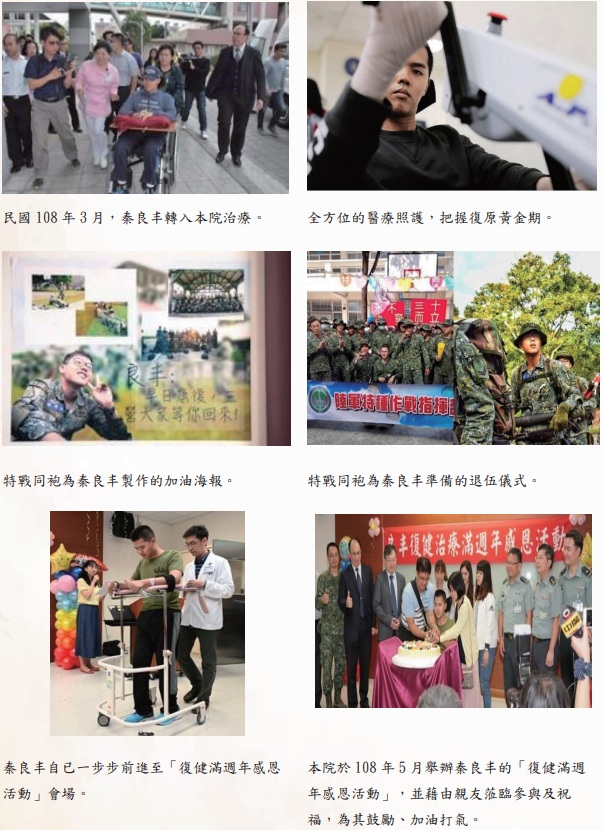
In May of the 107th year of the Republic (2018), Army Aviation Special Forces Sergeant Qin Liangfeng performed a high‑altitude parachute jump from a C‑130 transport aircraft during the Han‑Guang exercise rehearsal. Due to an incomplete deployment of the main canopy and insufficient wind for the reserve chute, he fell directly to the ground from 1,300 feet. His cardiopulmonary function briefly stopped; after emergency treatment at Taichung Children’s Hospital, he regained signs of life. In June he was transferred to the intensive care unit of the Tri‑Service General Hospital for continued treatment. After stabilizing, he moved to a regular ward in August. Because his recovery was good and to allow his family to visit more easily, he was transferred from the Tri‑Service General Hospital to our hospital in March 108 (2020) for ongoing treatment and rehabilitation. With his condition permitting, the medical team adjusted his care so he could return home to recuperate, fulfilling his wish after nearly a year of injury to “be away from home but longing for home.”
Dr. Ou Jiayou, the attending neurosurgeon, said that Liangfeng has made remarkable progress since his injury. The upcoming treatment will continue the rehabilitation programs at Children’s Hospital and the Tri‑Service General Hospital. During this period, experts from the neurosurgery departments of the Tri‑Service General Hospital and Kaohsiung Veterans General Hospital have been invited to participate in cross‑institutional medical integration meetings, continuously revising the treatment plan to ensure the most comprehensive and appropriate care. Additionally, the medical team holds weekly meetings with family members and military representatives to discuss his adaptation, daily life, medical needs, and thoughts.
To seize the golden period of recovery, he trains six hours daily, including hand and foot cycling, and walking with a self‑propelled walker. As cervical spine healing enters a plateau phase, progress may stall; the team will also involve psychiatry and psychological counselors to provide necessary support and encouragement, helping him “push through” and “look forward to climbing higher,” with the goal of walking independently and returning home.
On May 17, 108 (2019), our hospital held a “Rehabilitation One‑Year Anniversary Appreciation Event.” As Liangfeng walked the short distance of just over ten meters into the venue, he clenched his teeth and carefully took step after step forward. Everyone present was moved and cheered for him. Facing the arduous rehabilitation process, his proactive, positive, and optimistic attitude is truly rare and admirable. He fully demonstrates a tenacious will to survive and persevere, serving as a role model for fellow soldiers and staff.
Great Love Knows No Bounds.
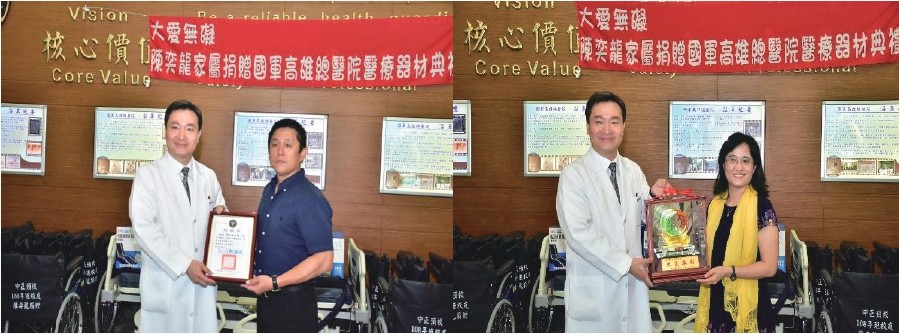
On June 13, 108 (2019), our hospital received a donation from Mr. Chen Junren of wheelchairs, air‑fluidized beds, and turning air‑fluidized beds. The then‑president, Major General Ke Chaoyuan, personally accepted the donation; the ceremony was warm and solemn.
Mr. Chen Junren said his son, Chen Yilong, was a student at the Chung‑Cheng Preparatory School. In July of the 107th year (2018), he suffered a severe posterior brain injury and was rushed to our emergency department. Although Yilong unfortunately passed away six months later, Mr. Chen remains grateful for the hard work of the medical team during his son’s hospitalization.
During his speech at the donation ceremony, Major General Ke Chaoyuan said that caring for patients is the duty of medical staff; even a sliver of chance prompts them to give their all. Therefore, throughout Yilong’s treatment, they repeatedly invited neurosurgery experts from the Tri‑Service General Hospital, Kaohsiung Veterans General Hospital, and Kaohsiung Chang Gung Memorial Hospital for joint consultations, aiming to save his life.
We are moved by Mr. Chen turning his grief into great love; through his donation, he transforms his lingering affection for Yilong into warmth that reaches the community, enabling the Kaohsiung Armed Forces General Hospital to use these medical devices to help more patients and families in need. This exemplifies the spirit of “Great Love Knows No Bounds.”
▼The donation ceremony was warm and solemn, benefiting more patients
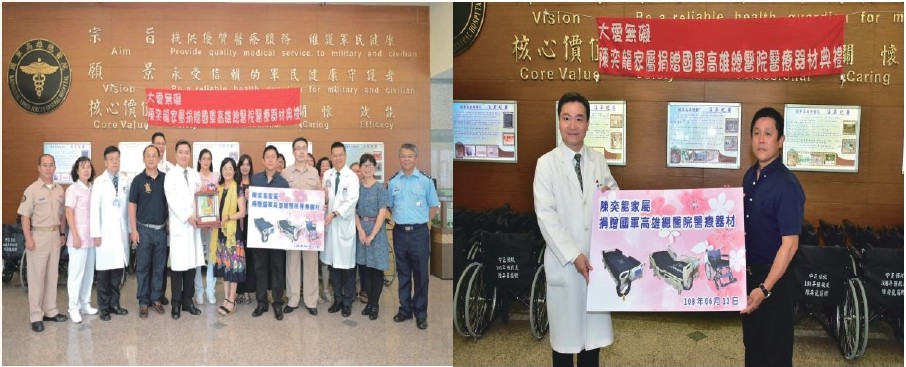
▼The then‑president, Major General Ke Chaoyuan, presented a “Great Love Knows No Bounds” commemorative plaque and a letter of appreciation
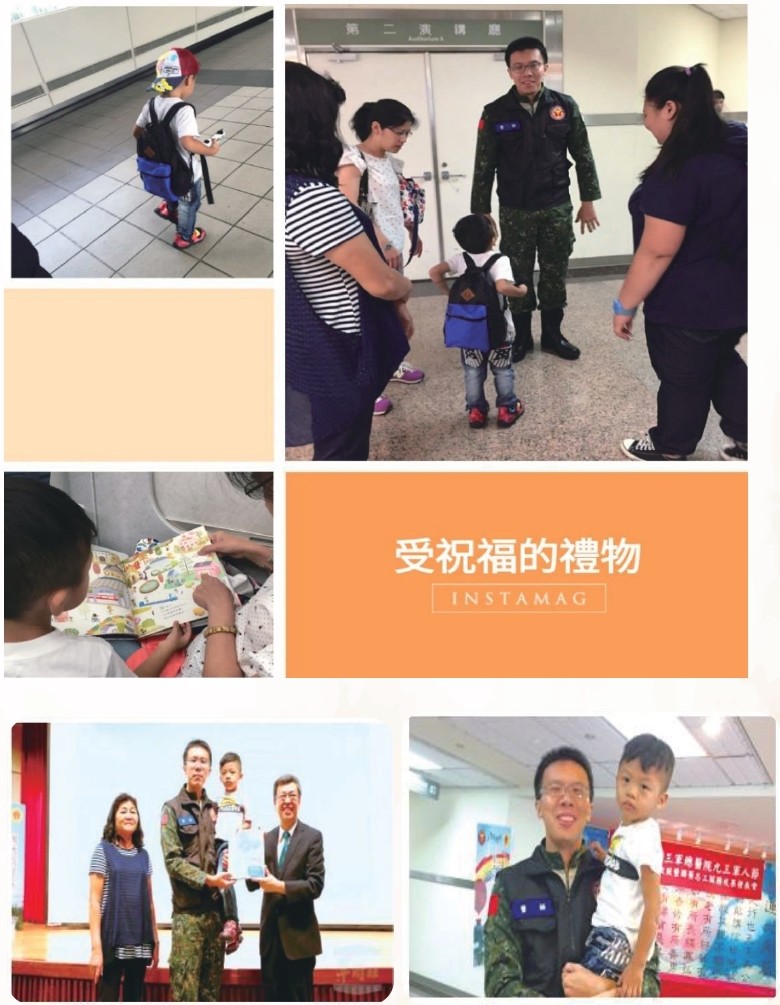
A Blessed Gift.
During the 0206 Tainan earthquake, Dr. Li Wei‑yi, chief surgeon at our hospital, made a professional judgment that saved the left arm of a 6‑year‑old boy trapped in a rock crevice, preventing amputation.
Rescuing the Sichuan Opera Face‑Changing Soldier.
Corporal Dai Weizhe of the Army, who possesses the traditional Chinese art of “Bian Lian” (face‑changing), was diagnosed with dengue fever in December of the 104th year (2015) and was immediately admitted for treatment. Two days later he developed shock and other severe dengue symptoms, along with a secondary infection that caused necrotizing pneumonia and cardiopulmonary failure, making his vital signs extremely unstable. After the hospital coordinated five medical teams, installed an ECMO system and administered antibiotics, he fought for 112 days against death and regained his health.
Our hospital organized a discharge birthday celebration for Weizhe. He sincerely thanked the medical staff for their vigorous rescue and care, and performed a special face‑changing performance in a new costume to express his gratitude to all the medical teams.
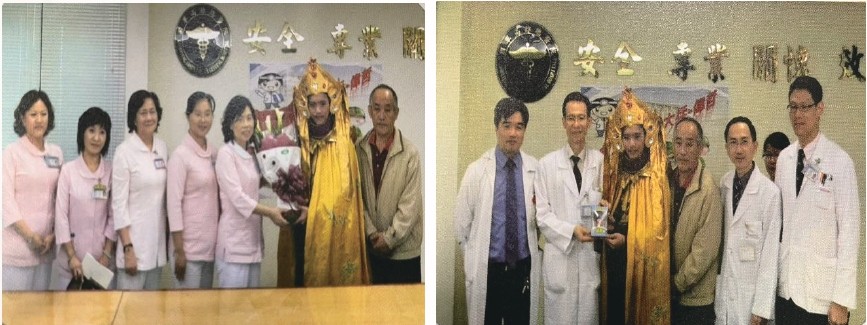
To thank the medical team, Weizhe presented fresh flowers as a token of appreciation.
Mr. Wen Zhendong’s Calligraphy Exhibition.
Mr. Wen, now elderly and with minor health issues, began receiving home palliative care from our team in December of the 104th year (2015). During care, the team discovered that not only had he served in the military, but after discharge he also worked for the Kaohsiung Port Police Bureau, dedicating his life to both the armed forces and society.
Mr. Wen is well‑read in poetry and literature and loves calligraphy; with a broad brush he effortlessly writes inspirational maxims. Even while ill, he remains enthusiastic about sharing, discussing the excellence of calligraphy and poetry, completely forgetting his pain. His love for calligraphy led him, during the joyous Lunar New Year, to write spring couplets for the palliative team, a particularly warm and meaningful gesture.
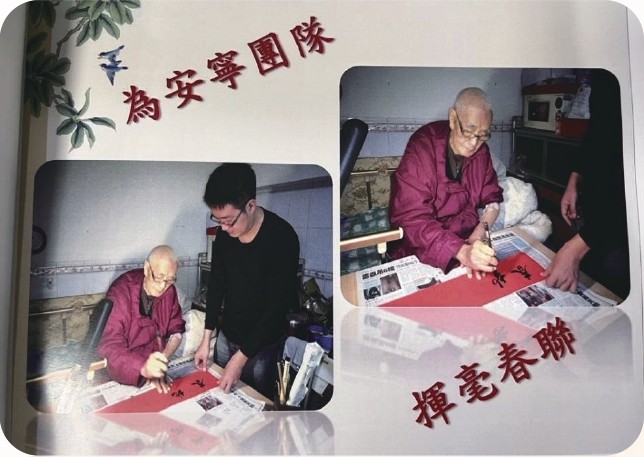
Thus, the palliative home team conceived a solo calligraphy exhibition for Mr. Wen. After learning his story, the then‑president, Major General Lu Qingsiang, was deeply moved, and the dream‑fulfilling project began!
With Mr. Wen’s and his family’s consent, our dream‑realization team meticulously photographed and edited each calligraphy piece, compiling them into an e‑book displayed in the hospital lobby and on the hospital website, allowing each inspirational maxim to cultivate the spirit of every viewer.
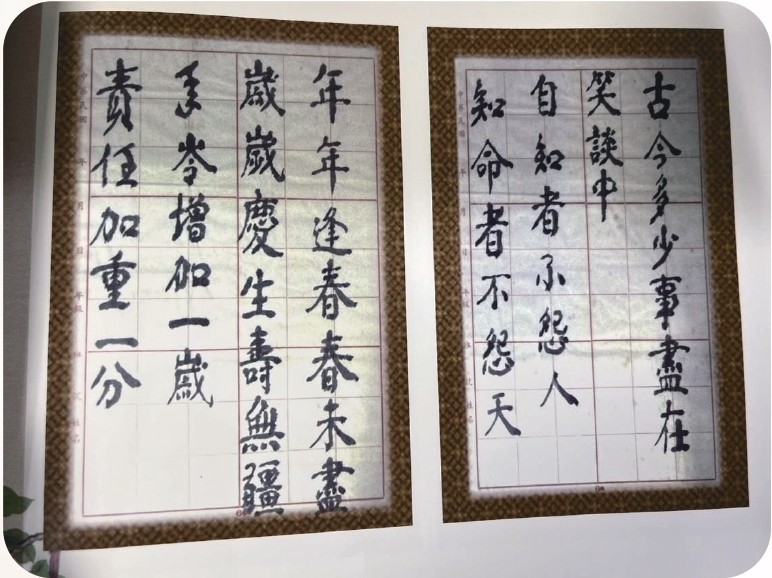
To this day, Mr. Wen’s story remains archived in our hospital.
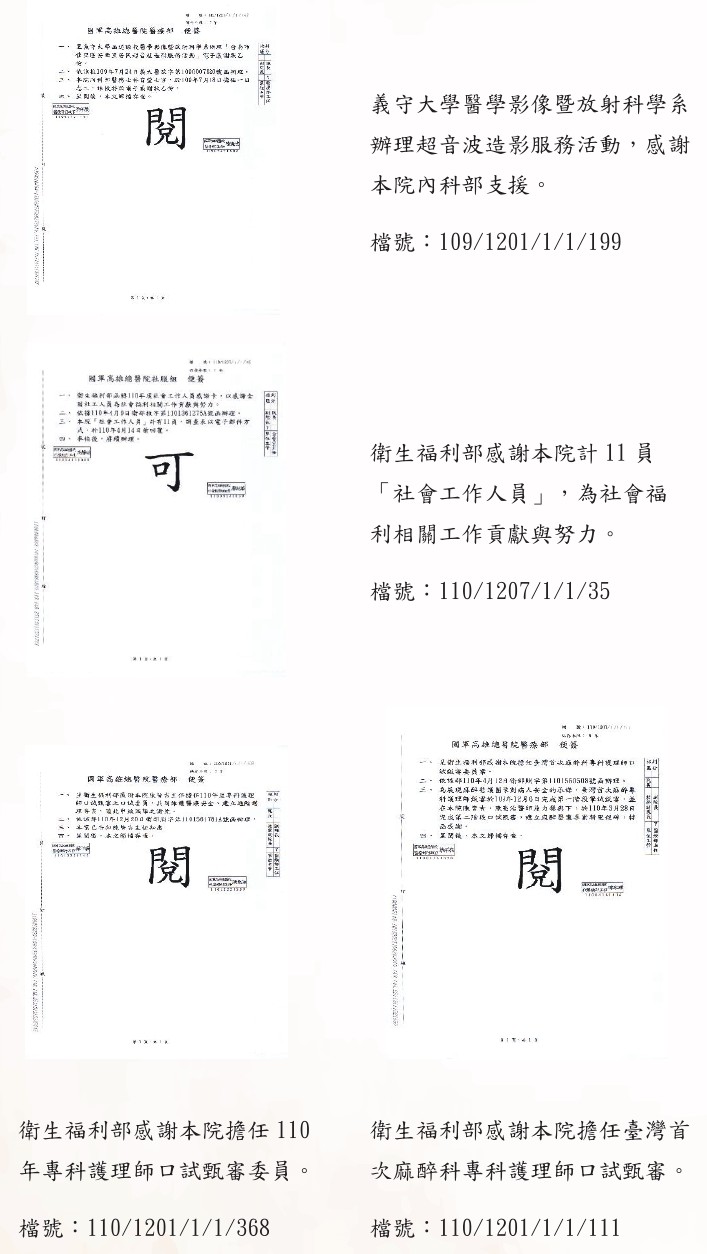
Thank you for your gratitude; it gives us more motivation to move forward.
Each month, our hospital compiles patients’ and family members’ feedback forms, thank‑you letters, potted plants, etc., to express appreciation for the medical team’s meticulous care of patients.
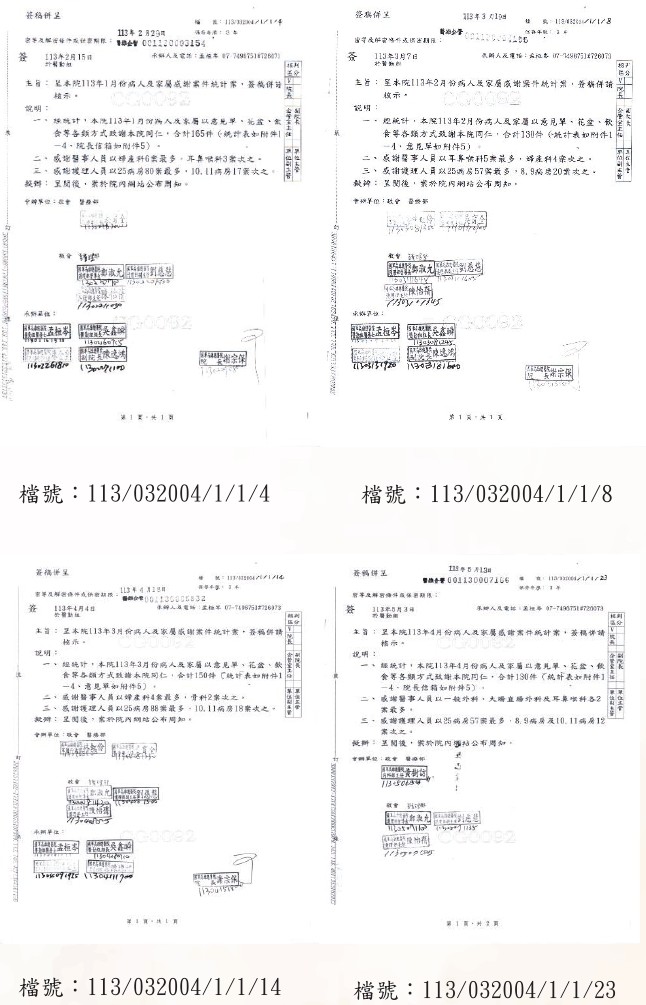
Thank you for your gratitude; it gives us more motivation to move forward (continued).
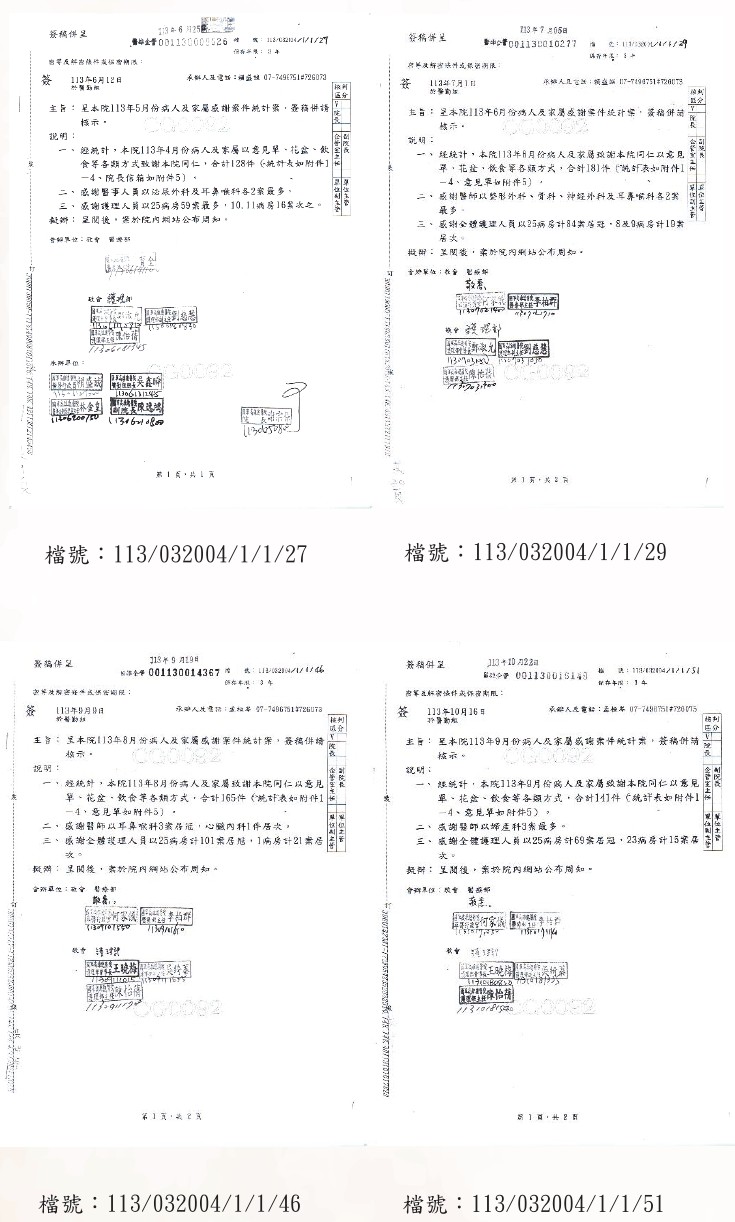
Thank you for your gratitude; it gives us more motivation to move forward (continued).
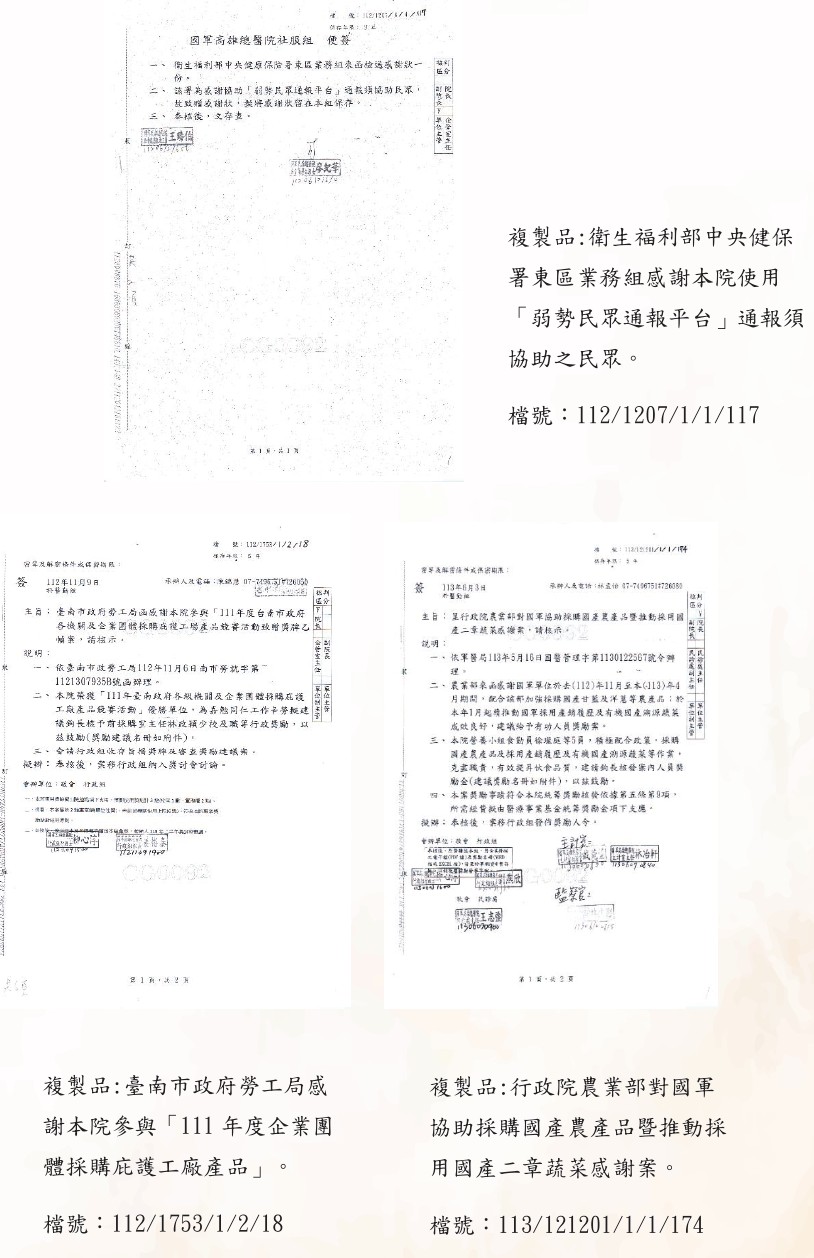
Thank you for your gratitude; it gives us more motivation to move forward (continued).
The value of a physician’s benevolent heart is reflected in every thank‑you and each patient’s story. Whether providing medical services within the hospital or rescue missions on remote islands, our staff consistently stand their ground, using professional expertise, compassion, and a patient‑as‑family attitude to continuously serve every patient.
Our hospital bears a dual mission of military and civilian medicine, evolving from a historic legacy into a modern medical institution. Its outstanding performance in supporting war‑games training, major disaster relief, and remote‑island medical services demonstrates the military hospital’s vital responsibility to society. In the future, the hospital will continue to deepen medical services and promote innovative technologies, providing stronger health security for both military personnel and civilians.
Links
