



Unit:
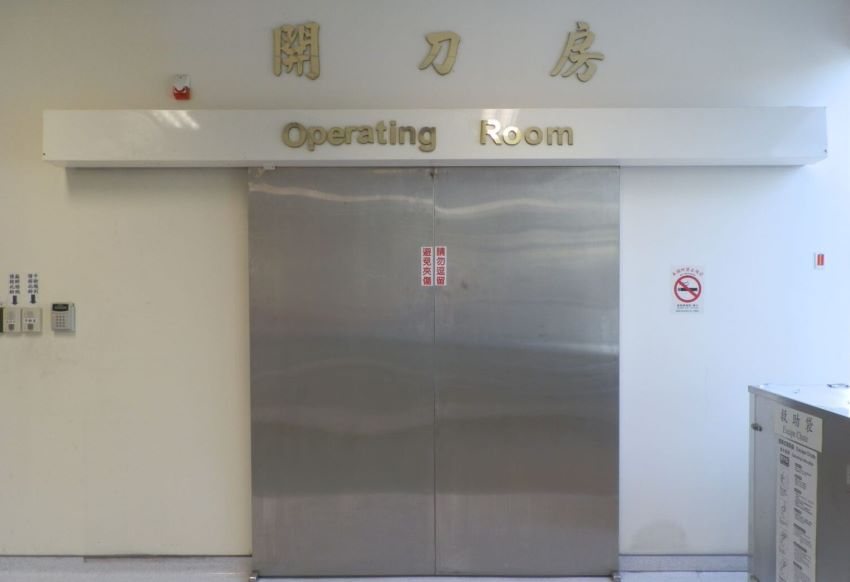
With the advancement of modern medical technology, surgical treatment has become an important part of the entire process of maintaining or promoting health, and the nursing profession in the operating room has also become a component of surgical medical procedures. In recent years, with the promotion of “holistic care,” operating room nursing staff adhere to a patient‑centered care philosophy to help patients meet their various individual needs, and they carry out appropriate patient identification procedures to ensure the correct patient identity, surgical procedure, and surgical site, thereby safeguarding patient safety.
Current situation: The operating room currently has 9 surgical suites and a staff of 29, handling all sizes of surgeries throughout the hospital, including neurosurgery, general surgery, colorectal surgery, plastic surgery, cardiovascular surgery, thoracic surgery, orthopedics, obstetrics and gynecology, urology, ophthalmology, otolaryngology, and oral surgery. The annual volume of surgical medical services is approximately 7,200 cases per year (data from year 105).
Workflow: With the increase in workload, to meet surgical demands, standard instrument trays for each specialty have been established, and training for new staff is provided according to each surgeon’s preferences.
Staff training: For new staff, a surgical room newcomer evaluation form has been developed, primarily to reduce initial anxiety when starting new tasks, allowing newcomers to become familiar with the work, unit, and organization, and integrate smoothly. On‑the‑job training focuses on the competency advancement system promoted by the nursing department, and, based on individual needs, provides training in skill, interpersonal, and problem‑solving categories.
In operating room nursing: We emphasize patient‑centered care; all nursing processes and activities when a patient enters the operating room consider the patient’s comfort and safety. Therefore, the nursing record form is designed with a comprehensive, flow‑chart approach, reminding staff of essential nursing measures during busy periods and facilitating easy check‑off.Infection control: In addition to complying with the directives of the Infection Control Committee, the unit has established a quality control team to ensure safety.
Technology: As new surgical techniques continuously emerge and equipment becomes more advanced, to keep pace with surgeons, the hospital supports sending staff for external training. In today’s environment that encourages lifelong learning, staff are also encouraged to pursue further education on the job.
Efficiency: By shortening surgical turnover time, we aim to reduce patient waiting anxiety, increase physician satisfaction, reduce nursing overtime, and improve medical efficiency.
Development: Video surgical teaching
The hospital’s new military‑style building is designed as an internationally standardized surgical center. High‑tech equipment is actively being added.
