


Unit:
1. Surgical Microscope Hi‑R700 Modular Operating Microscope
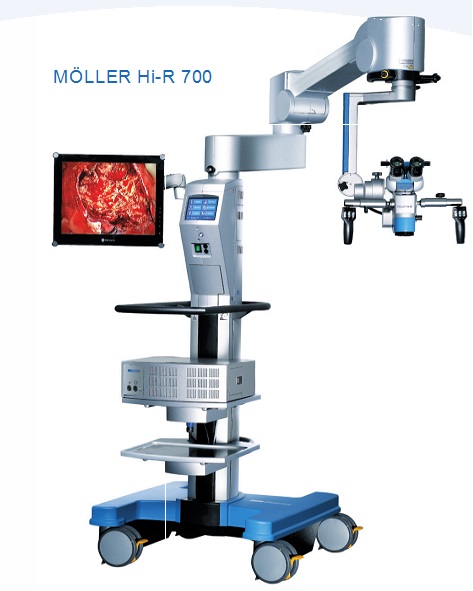
During surgery, it provides detailed microscopic visual magnification and increased illumination, allowing the surgeon to perform the operation more precisely.
Microsurgery requires precise repair of vessels and nerves; the surgical microscope provides magnification and illumination of the operative site, serving as essential assistance for microsurgery.
Through various optical magnifications, it can accurately locate relevant anatomical positions, enhancing surgical safety.
The automatic controller also ushers in a new era for surgical microscopes. Operation requires no effort, moving in any direction via the handle's electronic ultra‑sensing automatic controller.
The optical lenses use apochromatic ultra‑high resolution grade, offering superior color contrast and true detailed images, with automatic correction of lens errors. A 25 mm stereoscopic depth of field is the largest among surgical microscopes, providing the best three‑dimensional perception. The focus working distance of 200 to 510 mm meets all neurosurgical needs.
The light source uses a 300 W xenon lamp, with an automatic aperture adjuster to set appropriate aperture and brightness, preventing glare and harshness; manual adjustment is also possible.
The support stand features a single‑button automatic balancing system, eliminating the need for manual adjustments.
2. Brainlab Navigation System
Using the 3D images provided by the navigation system to guide surgical instruments to the target point, with a directional guidance error of less than 1 mm, thereby improving surgical accuracy.
Spinal fusion navigation surgery enables more precise placement of pedicle screws, reducing the likelihood of a second operation for the patient.
During fusion surgery, real‑time fluoroscopic images combined with preoperative CT images, using real‑time 3D navigation, enable advanced minimally invasive spinal navigation surgery that reduces incision size, alleviates postoperative pain, and effectively shortens recovery time.
Cranial surgery can utilize CT/MRI to provide precise intraoperative real‑time imaging.
The advanced frameless navigation sampling system eliminates the inconvenience and time consumption of traditional stereotactic frame‑based sampling, featuring automatic guidance for simpler and more convenient use.
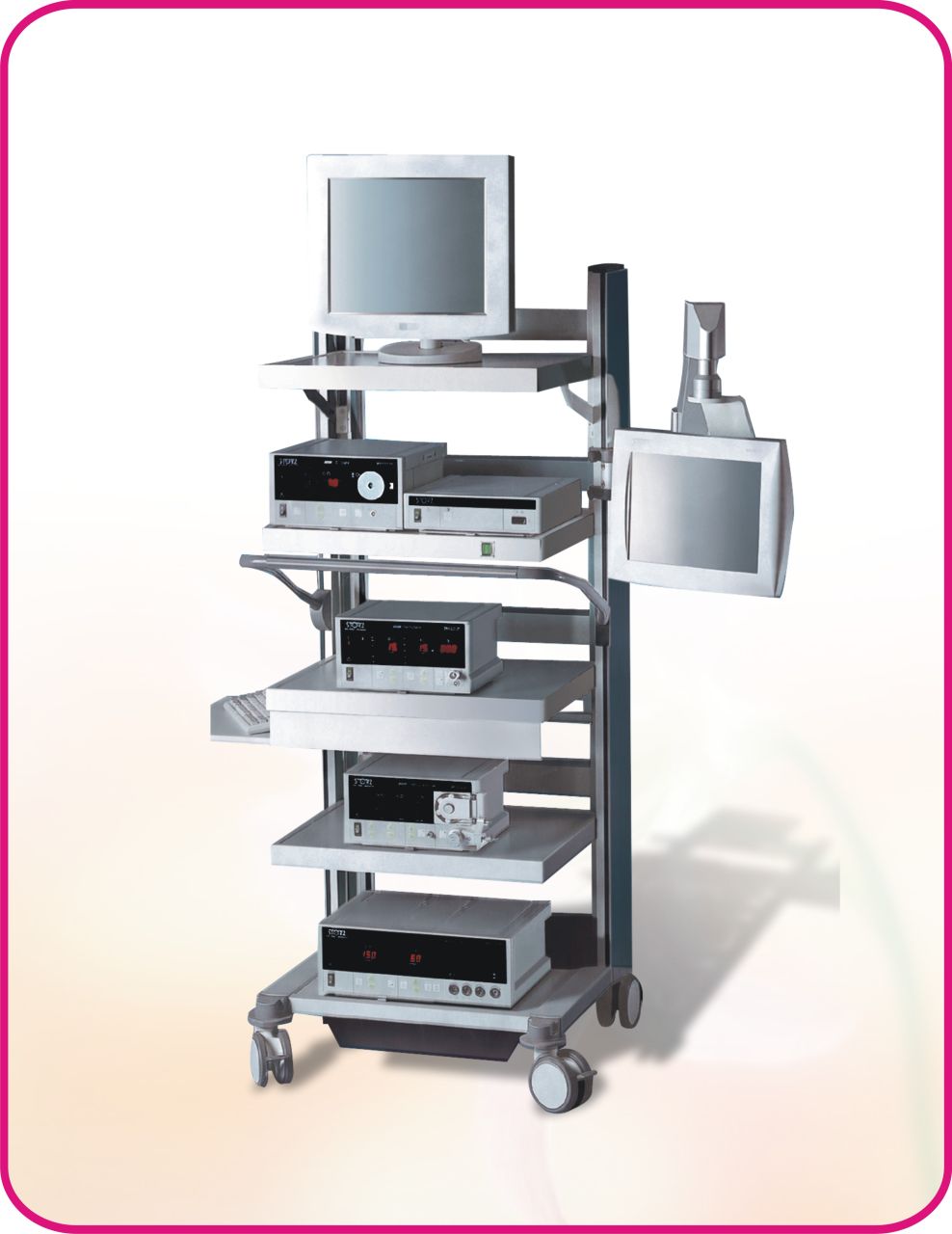
3. Laparoscopic System
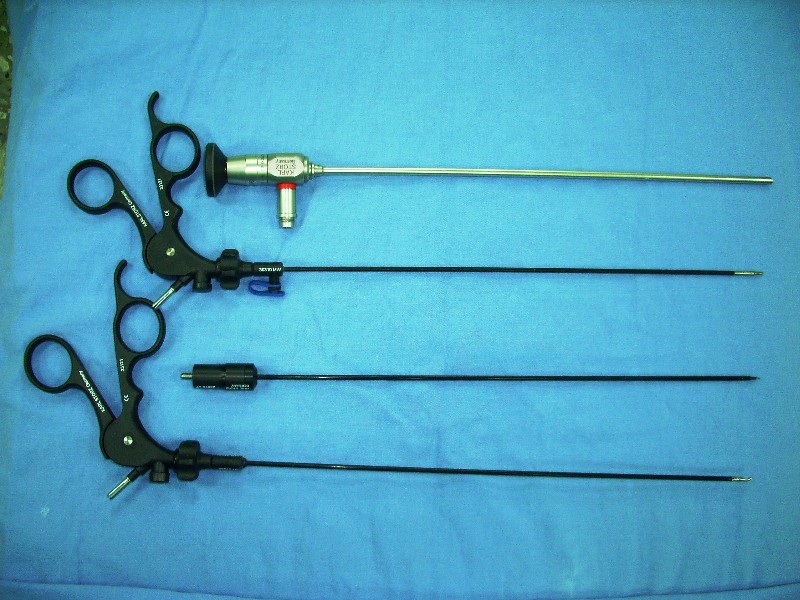
4. Ultra‑fine Laparoscopic Instruments
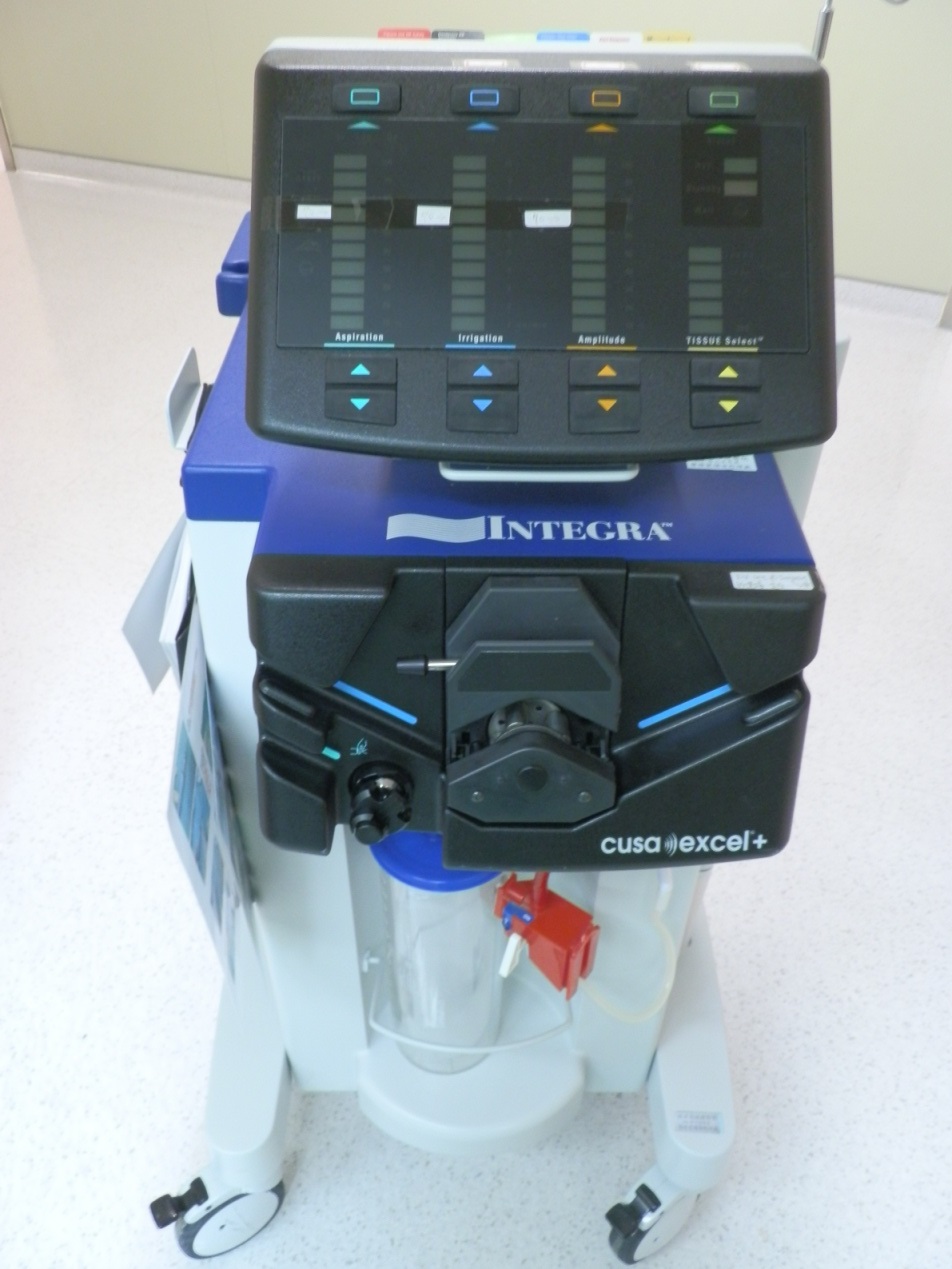
5. CUSA Ultrasonic Surgical Aspirator